

 Tiếng Việt
1. What is a Bridge?
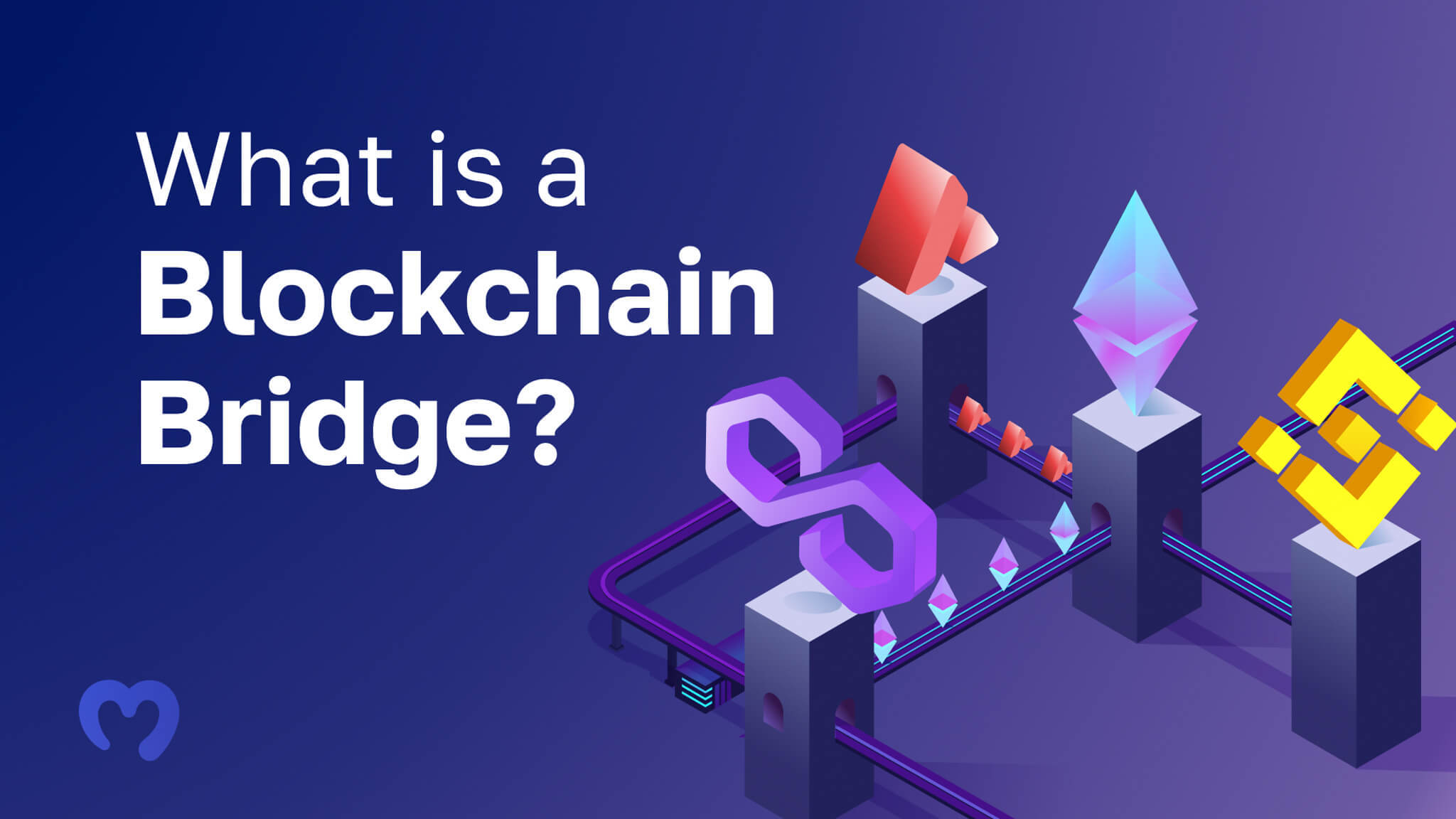
A blockchain bridge, also known as a cross-chain bridge, refers to technologies or services that facilitate the connection between different blockchains. This can include protocols, application programming interfaces (APIs), or blockchain-based services that enable these systems to interact with each other.
These protocols act like a physical structure, linking one island to another, where each island represents a distinct blockchain ecosystem. By doing so, blockchain bridges create interoperability, allowing digital assets and data stored on one blockchain to interact with another blockchain. In the blockchain space, where there are many different protocols, blockchain bridges are crucial for the seamless exchange of data and value.
2. Types of Bridges
.jpg)
Blockchain bridges can be classified based on their function, mechanism, and level of centralization.
2.1 Centralized bridges and Decentralized bridges
-
Centralized bridges: bridges require the involvement of a third party or intermediary to manage the interaction between blockchains. Users must trust the intermediary to operate the system accurately and securely. An example of a custodial bridge is traditional financial services or cryptocurrency exchanges, where users deposit their assets with the intermediary and receive equivalent versions on another blockchain.
-
Decentralized bridges: bridges operate without any third-party intervention, relying on smart contracts to manage interactions. In this type of bridge, there is no need to trust a bridge operator. Instead, the system's security and underlying code are determined and controlled by the community or consensus algorithms. Non-custodial bridges are often considered safer and align with the decentralized philosophy of blockchain.
2.2 Blockchain Bridges by Function:
Another classification is based on the function of a blockchain bridge. Examples include wrapped asset bridges and sidechain bridges
- Wrapped Asset Bridges: These enable interaction between different cryptocurrencies by wrapping one asset in a format compatible with another blockchain. For example, transferring Bitcoin to the Ethereum network involves wrapping BTC into Wrapped BTC (WBTC), an ERC-20 token compatible with Ethereum.
- Sidechain Bridges: These connect a main blockchain to its sidechain, allowing interaction between both. This is necessary as the parent and sidechain may have different consensus mechanisms.
2.3 Blockchain Bridges by Mechanism
This classification includes unidirectional and bidirectional bridges.
- Unidirectional Bridges: Users can connect assets to a target blockchain but cannot return to the original blockchain.
- Bidirectional Bridges: Allow assets to be connected in both directions.
3. Importance of Bridges
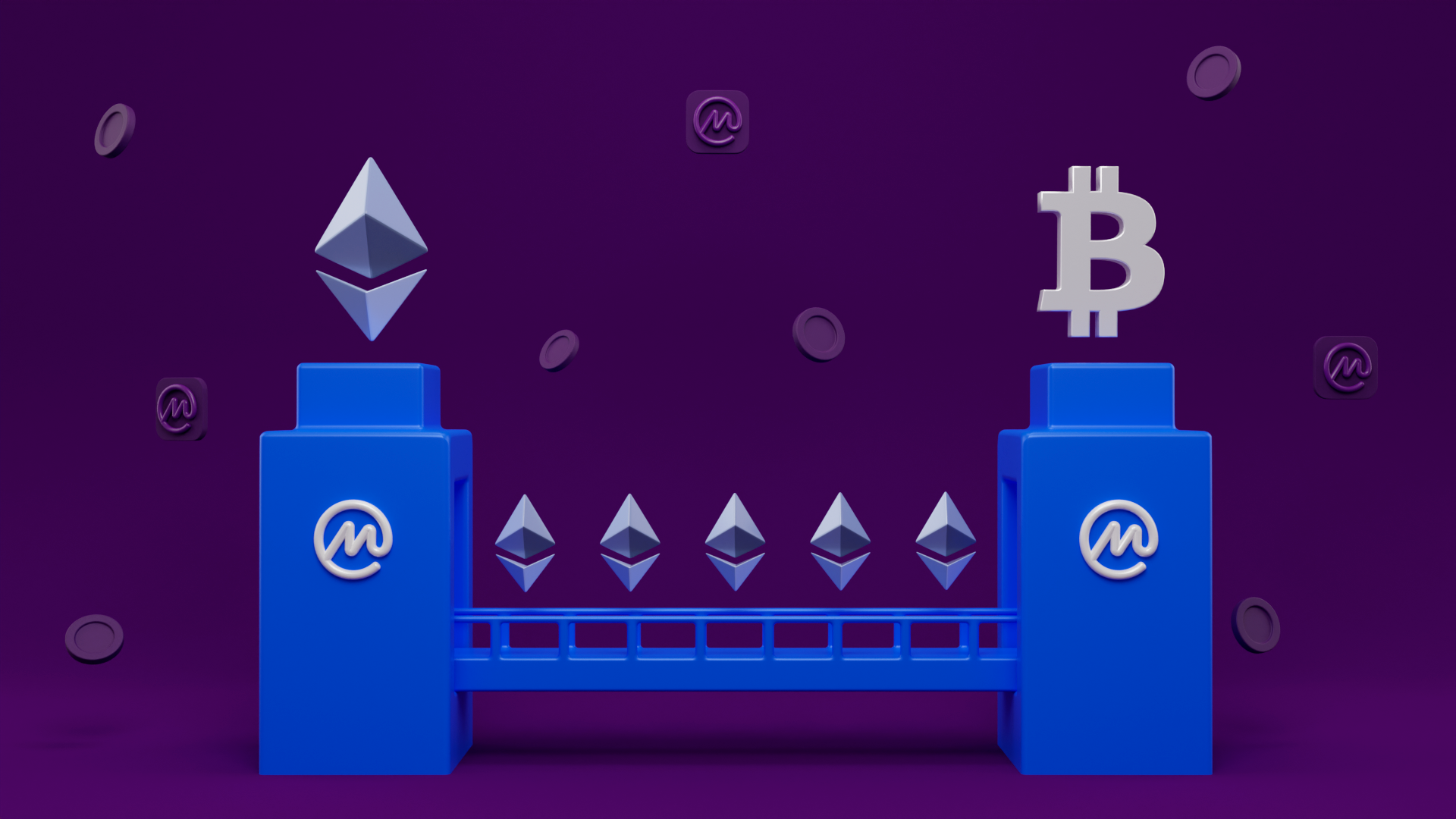
Since assets on different blockchains often lack compatibility, whether between layer 1 and layer 2 protocols or different sidechains, bridges create derivatives representing assets from other blockchains.
For example, if you use a bridge to send Solana to an Ethereum wallet, that wallet will receive a "wrapped" token—converted into an ERC-20 token, a common standard on the Ethereum blockchain.
The primary goal of blockchain bridges is to create a connected environment where different blockchains can work together more effectively and leverage the strengths of each blockchain.
Another advantage of blockchain bridges is enhanced scalability. Some bridges can handle a large volume of transactions, improving transaction processing efficiency. For instance, the Ethereum-Polygon Bridge is a decentralized bidirectional bridge that serves as a scalability solution for the Ethereum network, resulting in faster transactions and lower costs.
4. Risks of Blockchain Bridges

Blockchain bridges like many aspects of the cryptocurrency space, come with several risks:
-
Security Risks: Bridges often handle complex protocols and smart contracts. Vulnerabilities in the code or insecure implementations can be exploited by attackers, leading to attacks such as exploiting vulnerabilities or stealing assets.
-
Reliability Risks: Users must trust the bridge to handle transactions between different blockchains. If the bridge is unreliable or encounters issues, users may lose assets or face account management risks.
-
Abuse Risks: Blockchain bridges can be attacked or abused to steal user assets. Examples include the Wormhole and Qubit attacks, which resulted in significant losses for users.
-
Congestion Risks: Bridges can cause transaction processing delays, especially when there is a high volume of users transacting through the bridge. This can lead to network delays and impact user experience.
5. Notable Blockchain Bridge Attacks

Attacks on blockchain bridges are a serious concern in the cryptocurrency space, with some high-profile incidents:
5.1. Wormhole Attack
Wormhole, a popular bridge linking Ethereum and Solana, was hacked on February 2, 2022, with over $320 million worth of cryptocurrency stolen.
Wormhole bridges work by locking an Ethereum token in a contract on one chain and then issuing a parallel token on the other side of the bridge. Initially, hackers exploited a vulnerability on the Solana side of the Wormhole bridge to create 120,000 wrapped Ethereum (wETH). They were able to transfer 93,750 ETH to the Ethereum chain, valued at nearly $324 million at the time, according to blockchain analytics firm Elliptic.
5.2 Qubit Attack
Qubit, another blockchain bridge, experienced an attack a week before the Wormhole incident, resulting in a loss of up to $80 million. Attackers exploited a vulnerability in the Qubit smart contract system, allowing them to withdraw nearly $80 million in Binance Coin from the bridge. Qubit provides a bridge between Ethereum and Binance Smart Chain (BSC), facilitating deposits in one cryptocurrency and withdrawals in another.
6. Major Blockchain Bridges
6.1 Binance Bridge
The first choice among top cross-chain bridges is Binance Bridge. It is a reliable option for converting assets between Ethereum and Binance Smart Chain. Binance Bridge helps users convert cryptocurrency tokens into formats compatible with Binance Chain and BSC. It also allows conversions back to formats compatible with Ethereum. Supporting various tokens like XRP, ONT, LINK, XTZ, DOT, and ATOM, Binance Bridge facilitates quick and simple conversions. Notably, Binance Bridge does not charge transaction fees; users only pay gas fees on the source and destination blockchain networks. Moreover, Binance Bridge's interface is accessible to all users without requiring a Binance account.
6.2 Avalanche Bridge
Another prominent option among popular cross-chain bridges is Avalanche Bridge. This bidirectional bridge operates between the Avalanche and Ethereum networks using ChainSafe's ChainBridge, enabling two-way conversions of cryptocurrency tokens and NFTs. Users need to send and lock their tokens in the ChainBridge smart contract. Once the assets are sent and locked, the bridge generates a proposal and sends it to relayers.
Relayers on Avalanche Bridge, such as Avascan, Protofire, POA Network, and Hashquark, ensure bridge security by comparing proposals with data on the Avalanche blockchain and using a voting process to approve or reject proposals. This voting process ensures the safety of asset transfers.
7. Conclusion
Blockchain bridges play a crucial role in facilitating interaction between different blockchain networks. They not only enhance interoperability between individual cryptocurrency ecosystems but also open up opportunities for data and value exchange.
However, using blockchain bridges comes with risks. Attacks on bridges can lead to significant user losses and harm the cryptocurrency ecosystem. Additionally, reliance on third parties and technical factors such as transaction congestion can affect bridge performance and security.
Despite these challenges, with advancements in technology and improved security measures, blockchain bridges continue to play a vital role in advancing and connecting blockchain networks, offering new opportunities for the cryptocurrency industry.
Read More:
.png)
%20(11).png)