


 Tiếng Việt
1. The Current Regulatory Architecture
The regulatory framework for cryptocurrencies in the U.S. is complex and fragmented, with various agencies overseeing different aspects of the digital asset ecosystem, leading to a dynamic and evolving landscape.
1.1 Multi‑agency approach
The U.S. federal regulatory regime for digital assets is fragmented: several agencies each claim or exercise jurisdiction depending on the type of asset, the business model, and the activity involved. For example:
-
The Securities and Exchange Commission (SEC) oversees “securities” and has created a “Crypto Task Force” to provide clarity on how federal securities laws apply to crypto assets.
-
The Commodity Futures Trading Commission (CFTC) holds authority over “commodity” futures and derivatives and has argued certain digital assets fall under its remit.
-
The Internal Revenue Service (IRS) treats crypto assets as property for tax purposes.
-
The Financial Crimes Enforcement Network (FinCEN), and banking regulators like the Office of the Comptroller of the Currency (OCC) also have AML/KYC and bank‑chartering involvement in crypto.
This multi‑agency complexity means that as the crypto ecosystem evolves, so does the question: who regulates what and under which existing law?
1.2 Federal vs. State regulation
On top of the federal layer, U.S. individual states enact their own cryptocurrency regulation (money‑transmitter licensing, state stablecoin rules, etc.). The result: businesses often must comply with both federal guidelines and state‑specific frameworks. The question remains: will states and federal regulators align their rules in the future?
1.3 Key frameworks and tax treatment
-
For tax treatment: The IRS clearly states that “digital assets are considered property, not currency.”
-
For classification: The U.S. doesn’t yet have “one defined regulation” to regulate cryptocurrency, instead regulators rely on existing statutes and enforcement.
2. Key Statutes, Bills and Federal Initiatives

Recent legislative and executive actions are shaping the regulatory landscape for cryptocurrencies, with key statutes, proposed bills, and federal initiatives working to define the future of digital asset oversight.
2.1 Executive Orders and Policy Guidance
An important milestone: Executive Order 14067 (“Ensuring Responsible Development of Digital Assets”) signed March 2022, tasked federal agencies to assess digital assets, protect consumers and investors, preserve financial stability, and explore a U.S. central bank digital currency (CBDC).
“The executive order aims at developing digital assets policy plan and organise federal regulators’ efforts in this area.”
2.2 Proposed Legislation
-
H.R. 3633 (CLARITY Act): would give the CFTC central role over “digital commodities” while preserving SEC authority over securities.
-
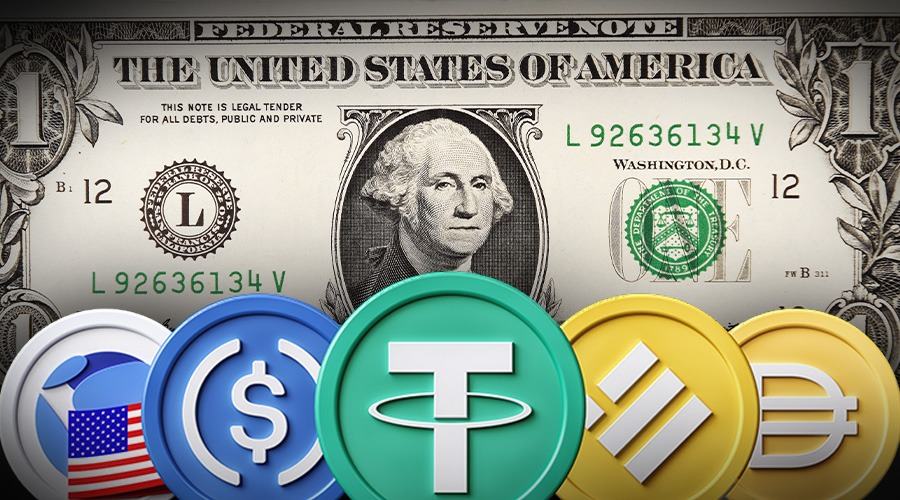
On stablecoins: New‑era legislation (for example under the GENIUS Act) sets federal standards for stablecoin issuers.
“Under the law, ‘permitted payment stablecoins issuers’ would be required to hold reserves equivalent to every dollar of stablecoins offered.”
2.3 Recent Developments
2025 has seen “historic reforms” in U.S. crypto regulation, especially for stablecoins, including requirements for stablecoin issuers to hold 100 % reserves in high‑quality liquid assets. Another milestone: the U.S. Congress passed a major crypto legislation in July 2025, marking a turning point for federal regulation.
3. Major Themes & Regulatory Tensions
The ongoing development of cryptocurrency regulation revolves around several key themes and tensions, as regulators strive to balance innovation with investor protection, clarity with flexibility, and security with market growth.
- Innovation vs. Protection: Regulators walk a fine line: on one side, ensuring innovation in blockchain and digital asset space; on the other, protecting investors, preventing market abuses, and guarding financial stability. “A volatile crypto policy framework” with three parallel paths-agency activity, executive order, congressional legislation.
- Securities vs. Commodities Classification: One of the most contentious debates is: when is a crypto asset a security (thus SEC‐regulated) vs. a commodity (CFTC‑regulated)? The SEC’s Crypto Task Force is explicitly trying to “draw clear regulatory lines”.
This classification effect has huge implications for exchanges, issuers, fundraising and compliance. - Stablecoins and Monetary Stability: The regulation of stablecoins emerges as a priority. The rationale: stablecoins create financial risk (if unbacked), may impact payment systems, and raise consumer protection concerns. “The law requires that all stablecoin issuers maintain high‑quality liquid assets … equal to 100 % of the value of tokens in circulation.”
- Compliance, AML/KYC, Licensing: Crypto service providers (exchanges, custodians, issuers) must navigate anti‑money laundering (AML) and know‑your‑customer (KYC) regulations. Even where business models change (e.g. DeFi) the principle remains: regulatory compliance is mandatory.
- State vs Federal Tension: Because of the state–federal split, one key tension: businesses might face divergent rules in different states and federal guidelines, causing regulatory complexity.
4. Implications for Crypto Market Participants

While the introduction of clear regulations offers much-needed stability, it also presents challenges in balancing compliance with fostering innovation. Below, we explore these implications in greater detail:
4.1 For Issuers and Service Providers
-
Issuers of tokens must assess whether they fall under securities law, commodities law or separate frameworks.
-
Stablecoin issuers must prepare to hold full reserves and undergo audit/disclosure regimes.
-
Custodians/exchanges must line up registrations (or exclusions), KYC/AML infrastructure, and possibly money‑transmitter licenses.
4.2 For Investors and Users
-
Investors gain clearer protections: classification, transparency, audits, especially for stablecoins.
-
Users may face additional disclosures, compliance friction.
-
The evolving framework may reduce regulatory arbitrage and increase institutional participation.
4.3 For Innovation & DeFi
-
While regulation brings clarity, too much regulation too soon may hamper new protocol development.
-
DeFi platforms may need to adapt if they interface with fiat, involve custodial services, or appear to issue investment‑contracts.
-
Regulatory clarity could boost trust and capital inflows, but rigid frameworks might limit permissionless innovation.
5. What’s Next & Outlook
5.1 Anticipated Legislation
-
Passage of federal bills (such as GENIUS Act) signals the first unified federal regulation of digital assets (starting with stablecoins).
-
The CLARITY Act and others show that Congress is considering clearer definitions of “digital commodity”, exemptions, and rules for mature blockchains.
5.2 Regulatory Harmonization
Industry players and regulators alike emphasise that creating a harmonised federal framework (instead of a patchwork) will reduce complexity, drive clearer compliance pathways, and foster U.S. leadership in crypto.
5.3 Global Implications
U.S. regulatory clarity may influence global rules and standards (for example, the EU’s MiCA regulation).
5.4 Ongoing Risks & Uncertainties
-
Failure to harmonize state vs federal approaches remains a risk.
-
The pace of innovation may outstrip regulation, creating regulatory gaps.
-
Enforcement actions remain a key tool: regulators may use them to set precedent.
-
The crypto industry must remain agile: regulatory changes may affect tokenomics, licensing, cross‑border flows, and business models.
6. Conclusion
In conclusion, while the U.S. is taking steps toward clearer cryptocurrency regulations, the path ahead remains complex and evolving. With multiple agencies involved and new legislation on the horizon, the future of federal regulation of cryptocurrency will significantly impact both innovation and market stability. As the regulatory landscape continues to unfold, staying informed will be key for businesses and investors navigating this rapidly changing environment.
Read more:








%20(21).png)
%20(19).png)
%20(18).png)
.png)