

 Tiếng Việt
1. The Need for Blockchain and Regulation
Blockchain technology, by design, is decentralized and operates without a central authority. This has led to a host of advantages, such as increased transparency, enhanced security, and reduced intermediaries. However, this decentralization has also raised concerns regarding compliance, fraud prevention, money laundering, and financial stability.
In response to these challenges, governments and regulatory bodies worldwide have started implementing rules and frameworks aimed at bringing the blockchain and crypto space into a more structured and accountable environment. Blockchain and regulation are intrinsically linked, with regulation providing a necessary layer of oversight to ensure the technology's positive impact while minimizing the risks associated with its misuse.
2. Key Areas of Crypto and Regulation

As the blockchain and cryptocurrency industries evolve, several key regulatory areas have emerged to address concerns surrounding security, financial integrity, and compliance.
2.1. Anti-Money Laundering (AML) and Know Your Customer (KYC)
One of the primary concerns in the blockchain and crypto space is the potential use of digital currencies for illegal activities, including money laundering and terrorism financing. Regulatory bodies have been increasingly focused on enforcing AML and KYC regulations to ensure that crypto exchanges and businesses comply with the same standards applied to traditional financial institutions.
Many countries now require crypto platforms to implement KYC procedures to verify the identities of their users. Additionally, AML regulations are forcing exchanges to monitor transactions and report suspicious activities, providing more oversight and accountability within the crypto ecosystem.
2.2. Taxation and Reporting Requirements
As blockchain technology and cryptocurrencies continue to gain popularity, governments are seeking to implement clear and consistent tax policies. The challenge lies in the unique nature of blockchain transactions, which can be anonymous and cross-border in nature.
Countries like the United States, Japan, and Germany have begun to implement tax regulations requiring crypto holders and traders to report their earnings and pay taxes accordingly. The introduction of clear guidelines for taxation in the crypto world ensures that cryptocurrency activities are treated fairly in the broader financial system.
2.3. Security and Consumer Protection
Regulation is also necessary to protect investors and consumers from the risks associated with the volatile nature of cryptocurrencies and blockchain platforms. The growing frequency of hacking incidents and scams in the industry has led regulators to demand that crypto exchanges implement robust security measures.
Countries have begun introducing regulations aimed at improving consumer protection, requiring exchanges and wallet providers to adopt better security practices, safeguard user assets, and provide users with more transparency and control over their investments.
2.4. Decentralized Finance (DeFi) and Regulatory Compliance
DeFi platforms, which offer financial services without intermediaries, have been one of the most disruptive aspects of blockchain technology. While DeFi offers exciting possibilities for financial inclusion and innovation, it also poses unique regulatory challenges.
Regulatory bodies are working to determine how existing laws can be applied to decentralized platforms, particularly when it comes to consumer protection, investor safeguards, and market integrity. As the DeFi space expands, regulation will play a critical role in ensuring that it remains compliant with global financial standards.
3. Global Trends in Blockchain and Crypto Regulation
%20(1).webp)
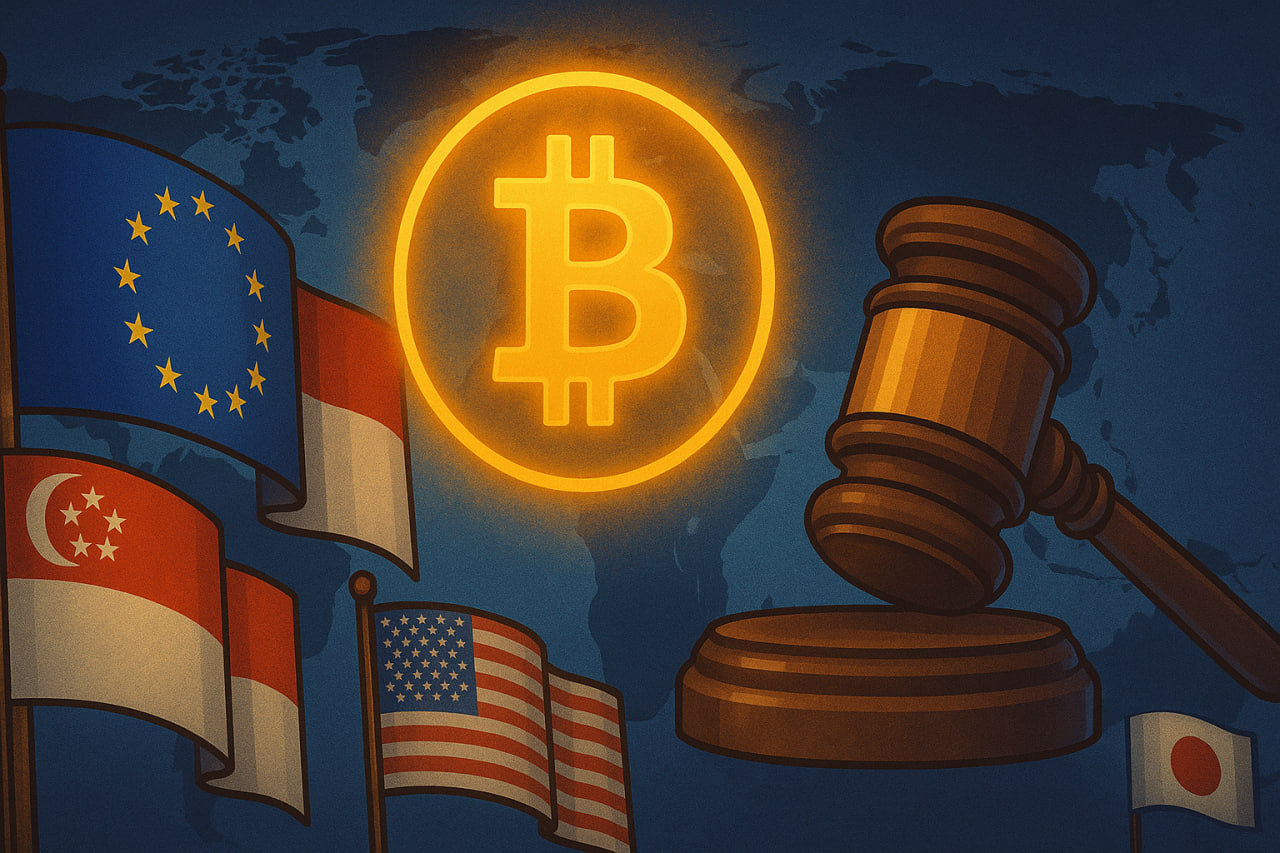
Countries around the world are developing their own regulatory approaches to blockchain and cryptocurrency, each with distinct strategies and goals for managing the growing industry.
3.1. Europe
The European Union has been at the forefront of developing comprehensive blockchain and crypto regulations. The Markets in Crypto-Assets (MiCA) regulation aims to provide a uniform legal framework for crypto assets across EU member states. MiCA's goals include ensuring consumer protection, market integrity, and addressing the risks associated with crypto transactions.
MiCA is expected to create a more predictable regulatory environment for blockchain and crypto businesses operating within Europe, paving the way for innovation while addressing concerns over security and financial crime.
3.2. United States
In the United States, the regulatory landscape for blockchain and crypto is fragmented. While the Securities and Exchange Commission (SEC) has taken a proactive role in regulating certain aspects of the industry, including securities laws for cryptocurrencies, other government agencies such as the Commodity Futures Trading Commission (CFTC) and the Financial Crimes Enforcement Network (FinCEN) also have their own jurisdiction over different facets of crypto.
This patchwork regulatory environment has led to calls for clearer and more comprehensive regulations to provide businesses and consumers with a consistent framework.
3.3. Asia
In Asia, countries like China, Japan, and South Korea have adopted varying approaches to blockchain and crypto regulation. While China has taken a strong stance against cryptocurrency trading and mining, Japan has been more open to the adoption of digital currencies and has implemented clear regulatory guidelines.
In contrast, countries like Singapore and South Korea have taken a progressive approach, welcoming blockchain innovation while maintaining regulatory oversight to protect consumers and the broader financial system.
4. Challenges and Opportunities in Blockchain and Regulation
While blockchain technology presents opportunities for growth and innovation, it also comes with unique regulatory challenges that need to be addressed for the industry's long-term success.
4.1. Challenges
-
Global Coordination: One of the biggest challenges in crypto and regulation is the lack of global coordination. As blockchain is inherently global, regulatory approaches can vary significantly between countries, leading to confusion and potential legal conflicts.
-
Adapting to Rapid Technological Change: Blockchain technology is evolving rapidly, and regulators often struggle to keep up with the pace of innovation. Regulatory frameworks must be flexible enough to accommodate new developments like NFTs, DeFi, and smart contracts.
-
Balancing Innovation and Protection: Regulators face the challenge of striking a balance between fostering innovation and protecting consumers and the financial system. Over-regulation can stifle innovation, while under-regulation can expose users to greater risks.
4.2. Opportunities
-
Increased Adoption and Legitimacy: Clear and consistent regulation will increase the legitimacy of blockchain and crypto technologies, encouraging institutional investors and traditional businesses to enter the market.
-
Enhanced Security and Trust: Regulatory oversight will help improve the security of blockchain platforms and build trust among consumers and investors, contributing to the long-term growth of the industry.
-
Global Standardization: As countries work to create more unified frameworks for blockchain and crypto regulation, there is the potential for global standardization, which would make it easier for businesses to operate internationally.
5. Conclusion
The intersection of blockchain and regulation is crucial to the future of cryptocurrency. While regulatory frameworks vary across regions, the need for clear, consistent, and forward-thinking regulations is undeniable. As the industry continues to evolve, regulators and innovators must work together to ensure that blockchain technologies are deployed safely, securely, and in a manner that benefits users and society at large.
Read more: