

 Tiếng Việt
1. What is Fiscal Policy?
Fiscal policy refers to the set of financial measures and decisions made by the government over a fiscal year to adjust and stabilize the economy’s growth. By adjusting public spending, taxes, and state fees, the government can influence the level of economic growth and take actions to address recessions or the risks of overheating, often referred to as "boom" conditions.
In a typical economic situation, fiscal policy is often used to stimulate or control economic growth. When the economy faces signs of recession or excessive growth, the government employs fiscal policy as a flexible tool to bring the economy back to balance and stability. Measures such as adjusting taxes, increasing public spending, or controlling inflation can be applied to achieve economic goals and maintain stability in the national financial system.

2. Types of Fiscal Policy
2.1. Expansionary Fiscal Policy
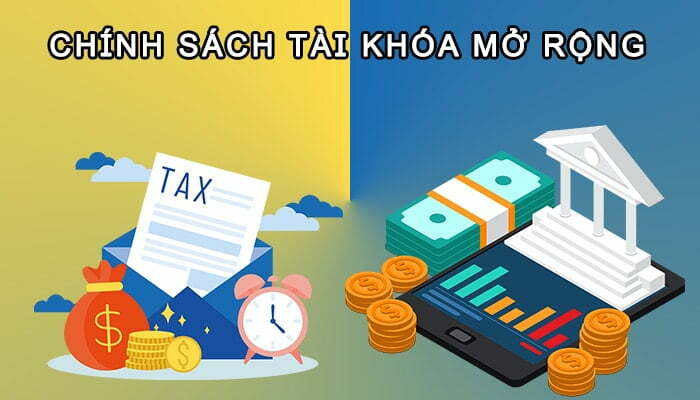
Expansionary fiscal policy, also known as deficit fiscal policy, is a government strategy aimed at boosting economic growth by increasing government spending and reducing tax revenues. This has a positive effect on production and overall demand in the economy, thereby creating conditions for growth and reducing unemployment.
This policy is typically used during economic downturns, slow growth periods, or when unemployment is high. Increased government spending may include investments in infrastructure projects, education, healthcare, and other initiatives designed to stimulate the economy.
Expansionary fiscal policy is generally not applied in isolation; it often works in conjunction with monetary policy to ensure a stable financial foundation. The combination of expansionary fiscal policy and monetary policy creates a more comprehensive mechanism for achieving government goals in restoring and promoting economic development.
2.2. Contractionary Fiscal Policy
Contractionary fiscal policy is a strategy used by the government to reduce government spending, increase tax revenue, or combine both measures to control the economy. By reducing expenditures and increasing tax revenues, the government seeks to reduce production and aggregate demand, thereby preventing the economy from overheating and reducing inflation risks.
Contractionary fiscal policy is typically applied when the economy is growing too quickly, is unstable, or when inflation rates are rising. Reducing government spending may involve cutting budgets for infrastructure projects and public programs, while raising taxes can increase the financial burden on businesses and consumers.
This policy is designed to bring the economy back to a more balanced and stable state, avoiding excessive growth and reducing the risk of economic and financial problems. It is often accompanied by monetary policy and can form part of a broader strategy to maintain stability in the national financial system.

3. Tools of Fiscal Policy
Fiscal policy has two primary tools: Government Spending and Taxes.
Tools of Fiscal Policy
3.1. Government Spending
Government spending generally consists of two main categories: spending on goods and services and transfer payments.
-
Spending on Goods and Services: This involves the government using its budget to invest in infrastructure such as roads, bridges, schools, and hospitals, as well as paying salaries for public servants. This type of spending not only creates important physical infrastructure but also affects aggregate demand in the economy. Changes in government spending can quickly influence aggregate demand: for every unit increase in spending, demand rises at a certain rate, and vice versa. Through this effect, the government can use spending as a tool to manage overall economic demand.
-
Transfer Payments: These are payments made by the government to individuals or groups in society, such as welfare payments to the poor or vulnerable groups. Unlike spending on goods and services, transfer payments have an indirect effect on aggregate demand by influencing personal income and consumption. When the government increases transfer payments, it stimulates increased personal consumption, which in turn boosts aggregate demand.
Both forms of spending play an important role in government efforts to manage and stabilize the economy.
3.2. Taxes
Taxes are an essential tool of fiscal policy, and they come in two primary forms: direct taxes and indirect taxes.
- Direct Taxes target income and assets directly, such as income taxes, corporate taxes, property taxes, and other similar levies.
- Indirect Taxes, on the other hand, are applied indirectly through the prices of goods and services, such as value-added tax (VAT), import and export duties.
The impact of direct and indirect taxes on the economy is generally opposite. Raising taxes can reduce income and consumption, leading to lower aggregate demand and GDP. Conversely, lowering taxes can stimulate consumption and increase overall economic demand.
4. The Impact of Fiscal Policy on the Economy

Fiscal policy is a critical tool for governments to influence the economy in various ways:
-
Adjusting Aggregate Demand: Under normal conditions, fiscal policy is used to stimulate economic growth and maintain stability. In times of recession or excessive growth, fiscal policy helps restore balance in the economy.
-
Resource Allocation: Fiscal policy supports the government in effectively allocating economic resources, focusing on developing key sectors and priorities.
-
Distribution of National Income: Fiscal policy plays a crucial role in adjusting the distribution of income and wealth and in mitigating social risks. This helps create a stable society, providing favorable conditions for investment and development.
-
Achieving Growth Targets: Fiscal policy is designed to directly or indirectly support the achievement of national growth targets and the overall development of the economy.
5.Fiscal Policy and the Crypto Market

Fiscal policy can have significant impacts on the cryptocurrency market, occurring through factors such as:
-
Taxation Regulations: Tax policies regarding cryptocurrency transactions can affect the adoption and use of digital currencies. Such policies may either create a positive or negative environment for businesses and users in the crypto market.
-
Security and Risk Management: Governments can introduce measures to protect consumers from risks and losses in crypto transactions. Security policies can influence user trust and attitudes toward cryptocurrencies.
-
Regulation of ICOs and Blockchain Projects: Governments may introduce regulations and guidelines for Initial Coin Offerings (ICOs) to ensure transparency and protect investors. These policies can influence the appeal of new projects in the crypto market.
-
Anti-Money Laundering (AML): Anti-money laundering measures and regulations may influence the decisions of investors and users regarding cryptocurrency usage.
-
Growth of Blockchain Industry Investments: Fiscal policy can impact the growth of the blockchain industry and related technological applications, depending on the level of government support and encouragement.
In conclusion, fiscal policy not only affects the stability and security of the crypto market but can al
6. Conclusion
Fiscal policy is not only a tool for regulating the economy but also a key factor in shaping the emerging global financial system, where digital currencies play an increasingly important role. Proper application of fiscal policy can strengthen stability and encourage the development of the crypto market. At the same time, fiscal policies can help reduce risks and protect consumers in the increasingly complex world of cryptocurrency transactions.
Read more: