


 Tiếng Việt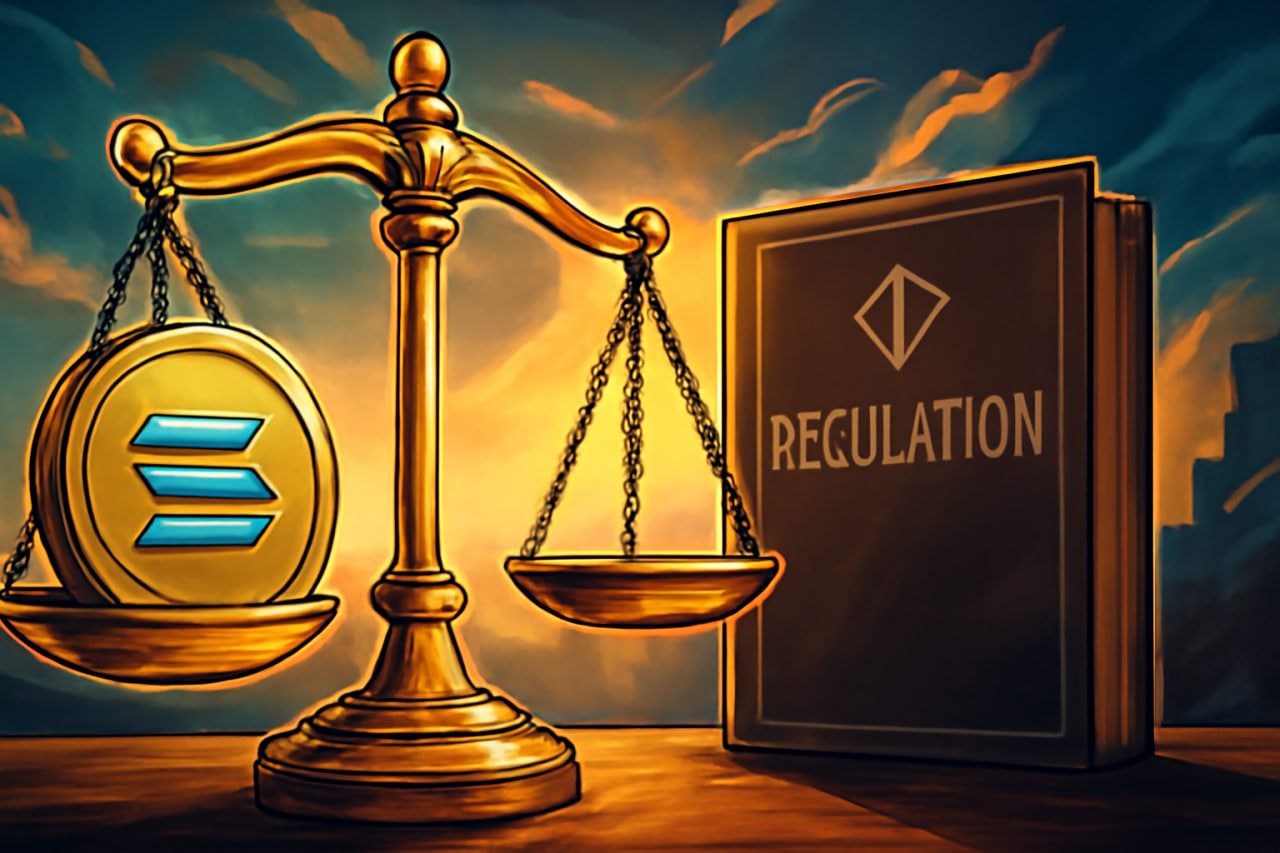
1. What is Crypto Regulation?
Crypto regulation refers to the legal framework and set of rules designed to govern the use, trading, and development of cryptocurrencies and blockchain technologies. These regulations aim to ensure that digital assets are used securely, transparently, and within legal boundaries. Crypto regulations cover a wide range of topics, including anti-money laundering (AML), combating the financing of terrorism (CFT), taxation, and consumer protection.
As the crypto industry grows, so does the need for clear and structured guidelines. With billions of dollars being transacted in cryptocurrencies each day, governments around the world are increasingly focusing on regulating digital currencies and blockchain platforms to protect users and maintain financial stability.
2. Why is Crypto Regulation Necessary?
The primary reason for implementing crypto regulation is to ensure the security and stability of the market. The decentralized nature of cryptocurrencies and blockchain technology presents unique challenges in terms of governance, fraud prevention, and illicit activity.
- Security and Fraud Prevention: The lack of regulation in the early days of cryptocurrencies led to an increase in fraud, scams, and malicious attacks. Without oversight, investors were exposed to risky ventures with little recourse in the event of fraud. By enforcing regulations, governments can set rules that protect investors and promote trust in the cryptocurrency ecosystem.
- Tax Compliance: Another critical aspect of crypto regulation is taxation. In many countries, cryptocurrencies are considered assets or commodities, and transactions involving digital currencies are subject to taxes. Clear regulatory frameworks help ensure that both businesses and individuals comply with tax obligations, contributing to the economy and reducing the risk of tax evasion.
- Consumer Protection: Consumers in the crypto space are vulnerable to market volatility and bad actors. Blockchain regulators aim to introduce measures that protect users, such as ensuring that cryptocurrency exchanges are transparent, fair, and provide adequate security features. These regulations can help prevent issues like pump-and-dump schemes, insider trading, and other harmful practices.
3. Global Crypto Regulation Trends

Across the globe, blockchain regulators are taking different approaches to crypto regulation, with some nations adopting proactive policies while others remain cautious or restrictive. Here's an overview of the regulatory landscape in key regions:
3.1 United States
The United States has been a leader in crypto regulation, with multiple agencies involved in overseeing the industry.
The Securities and Exchange Commission (SEC) has played a pivotal role in determining whether certain digital assets should be classified as securities, while the Commodity Futures Trading Commission (CFTC) oversees crypto derivatives. The U.S. is also working towards comprehensive regulations for digital assets, with the Infrastructure Bill of 2021 including provisions for crypto taxation.
3.2 European Union
The European Union (EU) has taken a more unified approach with its Markets in Crypto-Assets (MiCA) framework, which aims to regulate cryptocurrencies and blockchain technology across all member states. MiCA is one of the most comprehensive regulatory frameworks for digital assets, covering everything from market manipulation to stablecoins and initial coin offerings (ICOs).
The EU is also considering implementing a digital euro as a central bank-backed cryptocurrency.
3.3 China
China has taken a more stringent approach to cryptocurrency regulation, banning all cryptocurrency exchanges and initial coin offerings (ICOs) in 2017.
The country has since increased efforts to crack down on crypto mining and related activities. However, China remains at the forefront of blockchain regulation through its development of the digital yuan, a central bank digital currency (CBDC) aimed at providing more control over the country's financial system.
3.4 United Kingdom
The UK has taken a balanced approach to crypto regulation, aiming to provide a clear legal framework while fostering innovation in the blockchain space. The Financial Conduct Authority (FCA) has been actively involved in regulating cryptocurrency activities, ensuring that businesses comply with anti-money laundering (AML) and Know Your Customer (KYC) regulations.
4. Key Aspects of Crypto Regulation
.jpg)
As governments continue to shape crypto regulation, several key areas are receiving attention. These include:
4.1 Anti-Money Laundering (AML) and Know Your Customer (KYC)
AML and KYC regulations are crucial for preventing financial crimes in the crypto space. Blockchain regulators require exchanges and wallet providers to verify the identity of their users and monitor transactions for suspicious activity. This helps to prevent the use of cryptocurrencies for illegal purposes such as money laundering or terrorist financing.
4.2 Taxation
Taxing cryptocurrency transactions has become a priority for many governments. Crypto regulation often involves tracking transactions, requiring businesses to report income earned from digital assets, and taxing capital gains from crypto investments. This helps to create a fair system where all stakeholders contribute to the public purse.
4.3 Stablecoins and Central Bank Digital Currencies (CBDCs)
The rise of stablecoins—digital currencies pegged to traditional assets like the U.S. dollar—has drawn the attention of regulators. Countries like the U.S. and EU are working on regulations for stablecoins to ensure they do not disrupt the financial system. Additionally, many central banks are exploring the potential of CBDCs, which would be government-backed cryptocurrencies designed to complement or replace traditional fiat currencies.
5. The Future of Crypto Regulation
The future of crypto regulation will likely be shaped by ongoing technological advancements and increased collaboration between regulators, businesses, and innovators. As blockchain technology continues to evolve, blockchain regulators will need to stay ahead of new developments to ensure that the regulatory framework remains effective.
One key area of focus will be the regulation of decentralized finance (DeFi), which operates without a central authority. Governments will need to determine how to regulate DeFi protocols while maintaining the ethos of decentralization.
6. Conclusion
Crypto regulation is essential for ensuring the safety, transparency, and legality of cryptocurrency transactions. As the industry grows, blockchain regulators will continue to play a crucial role in shaping the future of digital finance. By addressing concerns such as fraud prevention, tax compliance, and consumer protection, crypto regulations can foster a secure environment for both investors and innovators.
Governments and regulators must continue to collaborate and adapt to the ever-changing landscape of cryptocurrencies and blockchain technology to create a framework that balances innovation with security. With proper regulation, the crypto market can thrive while protecting users from potential risks.
Read more: