

 Tiếng Việt
1. What is "Skin in the Game"?
In the context of crypto, "skin in the game" refers to the involvement of investors or developers in a project or blockchain network by holding a portion of the project's tokens or cryptocurrency.
When participants have "skin in the game," they become actual investors in the project or ecosystem, creating a strong commitment and increasing accountability. This makes individuals more concerned about the project's outcomes.

Today, "skin in the game" is also understood simply as being deeply involved in or experienced with a particular project or ecosystem. An investor with "skin in the game" is someone who has thoroughly used the product and analyzed the critical aspects of the project.
2. Origin of "Skin in the Game"
The term "skin in the game" was popularized by author Nassim Nicholas Taleb in his well-known book, "Skin in the Game: Hidden Asymmetries in Daily Life," published in 2018. In this book, Taleb explores the idea of having personal stakes or risks in a decision or project and being aware of the consequences of one's actions.
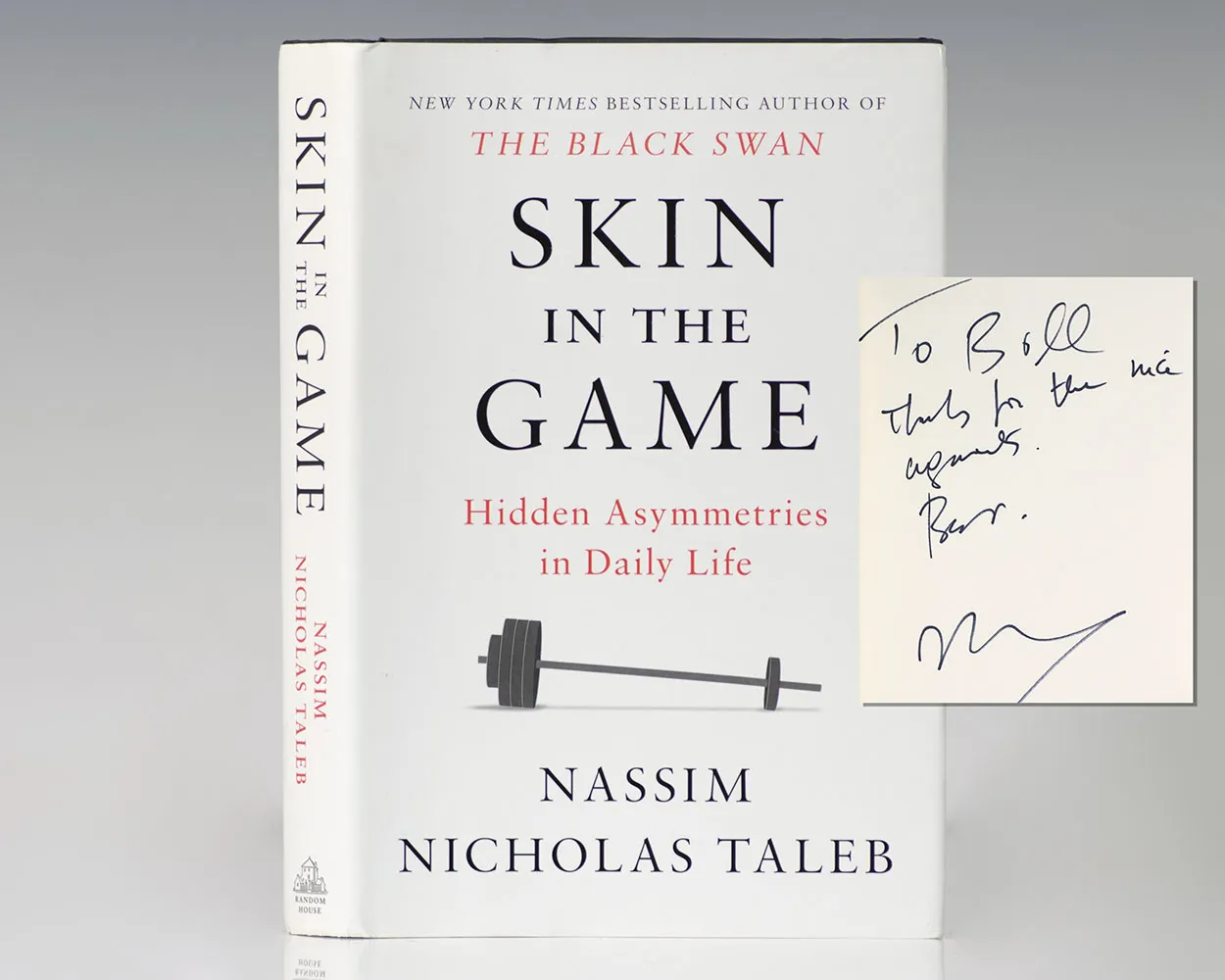
Taleb applied the "skin in the game" principle to various fields, from finance to politics and culture. He emphasized that having personal commitment and risk in a situation motivates and fosters responsibility in decision-making and actions.
Although the term existed in popular culture before, Taleb brought it into public view and developed the idea more clearly and robustly. Today, "skin in the game" is a significant principle in many fields, including the cryptocurrency and blockchain markets.
3. Benefits of "Skin in the Game" in Crypto
"Skin in the Game" is not just an abstract concept but a crucial principle in the cryptocurrency and blockchain sector. Personal involvement through financial investment and risk not only creates a strong individual commitment to the project but also encourages diligence, responsibility, and a focus on the project's long-term success:
-
Increased Accountability: When participants have invested money in a project, they are more likely to care about its outcomes. This drives accountability and commitment to ensure the project succeeds and meets its goals.
-
Encourages Informed Decision-Making: When individuals bear financial or reputational risk, they are likely to consider and evaluate decisions more carefully. This can lead to more informed decisions and minimize risks for the entire project or community.
-
Boosts Motivation and Commitment: Personal involvement in the project creates a stronger drive to succeed. Participants are more motivated to work hard and contribute to the project's development.
-
Fosters a Strong Community: When people take risks and invest in the project's success, it builds a cohesive and supportive community. This can create a positive environment and support the project's sustainable development over time.
"Skin in the game" is not only a critical principle but also a decisive factor in the success of projects in the cryptocurrency and blockchain fields.

4. Limitations of "Skin in the Game"
Although "skin in the game" offers many benefits to the cryptocurrency community, it also has limitations that should be recognized:
-
Scope Limitations: Some projects or protocols may struggle to attract enough participants with "skin in the game." This could be due to high risks or other economic factors that prevent broad participation or financial responsibility.
-
Risk of Over-Concentration: In some cases, "skin in the game" might lead to an excessive concentration of financial or power resources within certain groups or organizations. This can undermine decentralization and diversity within the community.
-
Financial Risks: Participants with "skin in the game" face financial or reputational risks if the project fails. This can cause anxiety and concerns within the community and impact future investment.
-
Lack of Transparency: In some cases, it may not be clear who has "skin in the game" and the extent of their involvement. This lack of transparency can lead to distrust and concerns within the community.
-
Potential for Abuse: Having "skin in the game" could also lead to abuses of privilege or using influence for personal gain. This can create unfairness and erode transparency within the community.
.png)
"Skin in the game" is not always a perfect solution and may have its own limitations and risks. It is important to carefully consider and manage these risks to ensure that the principle is implemented fairly and effectively within the cryptocurrency community.
5.How to Apply the "Skin in the Game" Principle to Crypto Investment?
Applying the "skin in the game" principle to crypto investments requires commitment and risk from investors. Here are some ways to implement this:
.png)
Invest in Project Tokens/Coin:
To participate in a project and own its tokens/coins, users can engage in various methods, such as buying tokens through public sales like IDO (Initial DEX Offering) or IEO (Initial Exchange Offering). Users can also purchase tokens directly on exchanges.
After acquiring tokens, instead of just holding them, users can explore related services to maximize their value. Popular services include staking, where users earn interest (APY) by locking their tokens. Besides staking, users can participate in lending and borrowing activities, earning profits or using assets as collateral. Derivatives services also allow users to engage in financial contracts based on token value. These services not only enhance asset value but also offer rich experiences in the decentralized finance ecosystem.
Contribute to DeFi Protocols:
Contributing to DeFi protocols is an effective way to create "skin in the game" in decentralized finance. Investors can provide liquidity to pools, earn rewards from transaction fees or protocol tokens, and participate in community governance by voting on proposals. This involvement not only generates profits but also creates a deep commitment, aligning interests between investors and the protocol. Engaging in these activities helps investors better understand DeFi operations, develop skills, and open new opportunities in the field.
Build and Contribute to Crypto Projects:
Participating in building or contributing to a crypto project is an effective way to have "skin in the game." This can include developing open-source code, joining communities, or contributing to project management and development. Involvement in building and contributing strengthens the community and fosters deep commitment and shared benefits among members and the project. Additionally, it provides opportunities to learn and develop skills in the crypto and blockchain fields.
Evaluate and Invest in Projects with Large Communities:
Newcomers should start by thoroughly researching a project. This involves analyzing eight critical factors to gain a comprehensive and in-depth understanding, such as the development team, underlying technology, development roadmap, partners, community, tokenomics, target market, and growth potential. After gathering enough information, they should directly experience the project's product to understand its functionality and real value. This helps validate the researched information.
Additionally, participating in community activities of the project is an effective way to stay updated and learn from experienced members. The community is a place for sharing experiences, receiving the latest news, and offering mutual support. Engaging in the community helps newcomers better understand the project, contribute opinions, build relationships, and receive assistance when facing challenges.
6. Conclusion
In crypto investment, having "skin in the game" creates a strong personal commitment and encourages diligence and responsibility towards projects and decisions. However, it is important to recognize that investment always carries risks, and having "skin in the game" does not guarantee success. It is crucial to carefully consider and assess risks before participating in any project or decision in the crypto space. Nevertheless, investor commitment and active contribution can contribute to the sustainable development of the crypto market in the future.
Read more: